
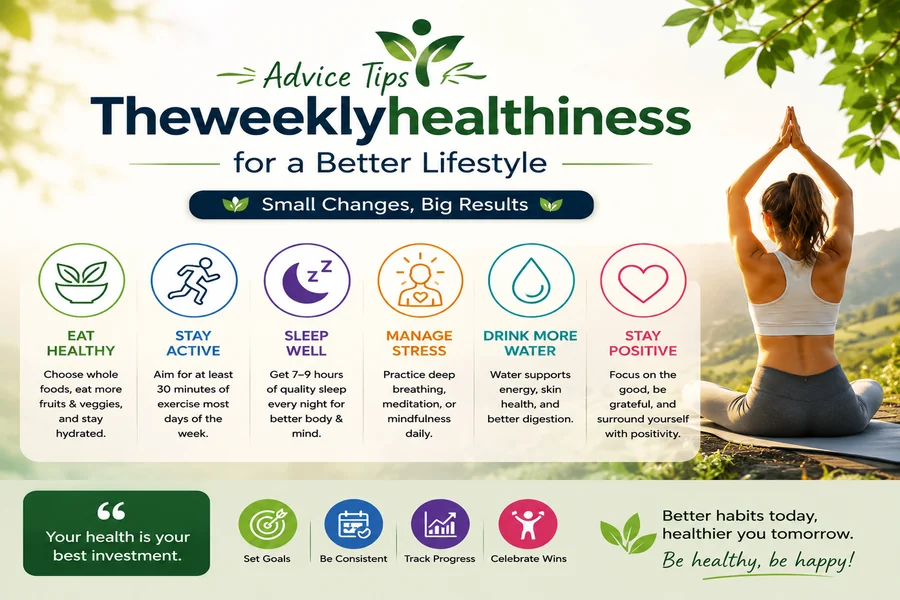
Advice Tips Theweeklyhealthiness for a Better Lifestyle
Adopting a healthy and balanced lifestyle is more important now. In today’s society, fast-paced lives, stress, poor nutrition and excessive use of computer and the Internet are a common occurrence. This means that many individuals are looking for practical ways to enhance their physical, emotional and overall well-being and quality of life. Advice Tips Theweeklyhealthiness aims to give straightforward and achievable counsel to make individuals embrace healthier practices and savvy day to day conduct.
Exercise or dieting is not the whole picture of good health. It is also part of mental well-being, getting sufficient sleep, time management, healthy relationships and balance in everyday activities. Little things add up to big things over time if done consistently!
Some people think that adopting a healthy lifestyle calls for elaborate programs and radical changes to the way they live, but that isn’t always the case. In many cases, it’s as easy as drinking plenty of water, getting a good night’s sleep, minimizing stress and staying active. Advice Tips Theweeklyhealthiness suggests good advice that is realistic and that people can come up with and follow in the long term without getting overwhelmed.
With a more rapid pace in life and technology, people need to be more aware and disciplined in maintaining health and wellness. Creating positive habits can boost energy, emotional balance, productivity and overall happiness.
Create healthy habits for everyday life
Long-term health relies on healthy habits. Your daily habits affect your physical health, emotional balance, concentration, and productivity. Fortunately, healthy habits don’t have to be complicated to work.
The key to developing positive habits is to get started with small steps. Attempting to make too many changes at once can cause frustration and inconsistency. Rather, concentrate on one or two attainable changes will help you stay on track. Positive lifestyle changes can be very simple, such as increasing water intake, regular walking, or decreasing sugary snacks.
It’s better to be consistent than perfect. Many people end up quitting healthy habits when they make a mistake, and it’s okay to take a break every so often. Fostering long-term improvement requires regular practice of healthy habits over time.
Having a structured daily routine can also help the students become more disciplined and less stressed out. Establish food plans, sleep routines, and take responsibility to stay focused and productive.
Regular exercise is also a key aspect of healthy living. Exercising regularly is good for the heart, builds muscle, lifts spirits and gives more energy. Intense workouts don’t always have to be exercise. Walking, stretching, cycling, or exercises at home may still be beneficial.
Good nutrition is also key. Proper nutrition is essential for good health, both physical and mental. Gradually, increasing the intake of fruits, vegetables, protein and whole foods, and decreasing the amount of processed foods will enhance overall wellness.
Mental Wellness and Stress Reduction
Having a healthy lifestyle heavily relies on mental well being. Due to work pressure, financial worries, and the constant connectivity with technology, stress, anxiety and emotional exhaustion have become common.
Knowing how to handle stress begins with knowing one’s own limits. There are many individuals who want to do too much and not get enough rest. Prolonged overwork can lead to decreases in concentration, energy, and emotional control.
Relaxation techniques can be used to relax without relying on medication. Simple practices for emotional balance include deep breathing exercises, meditation and spending time outside. Hobbies like reading, music or gardening can also help to relax the mind.
Another key component of mental wellness is sleep. Many people find that sleep deprivation is a problem, and it has a negative impact on mood, concentration and physical health. Having a regular bedtime routine and limiting screen time before sleep can make a huge difference for sleep quality.
Positive thinking and gratefulness can also contribute to emotional wellness. When things are tough, people tend to have a healthier outlook if they think about things that have been accomplished, healthy relationships, and meaningful experiences.
It is also essential to have a support system. In times of stress, it is important to talk to trusted friends or family members to be able to lessen the emotional burden and find comfort. Good relationships can help to build resilience when things are tough.
Time Management and Productivity Improvement
To manage time effectively is vital to reduce the stress and increase efficiency in daily life. There are lots of people who feel really full of energy during the day, however unable to get important jobs done due to distractions and disorganization.Many people feel full of energy during the day and they just can’t get important jobs done because they are distracted and disorganized.
One of the most effective productivity tips is to prioritize tasks. When it comes to getting things done, knowing what matters most enables people to put more of their energy into that task. Doing tasks that are of priority first can help alleviate pressure and boost motivation.
The advantage of planning ahead is that it makes for greater productivity. It is great to establish objectives each day and/or keep using scheduling tools to help prevent confusion. Established schedules can help eliminate unnecessary time and focus.
Eliminate needless distractions is another good habit. The constant interruptions, multitasking and social media notifications can have a significant impact on concentration. When you have certain time periods where you’re not distracted, you’re likely to get better outcomes.
Breaks also are a must for productivity. No rest and over extended period can lead to mental tiredness and performance degradation. Short breaks are good for refreshing the mind and to enhance concentration.
Technology can be a tool for productivity if it is used appropriately. Digital calendars, reminder applications, and organizational tools aid individuals to keep their schedules organized. But, there is a balance to be struck to avoid overuse and distractions from the screens.
Nutrition and Physical Wellness
Eating is one of the most important things a person can do to help maintain health and energy. The body needs good nutrition to work well, to stay healthy and to remain immune to illness.
Proteins, healthy fats, fibre, vitamins and minerals should be included in the balanced meals. The key to good health is consuming a diverse range of nutritious foods, which can enhance both physical and mental well-being. Hydration and energy are also important, and require adequate water intake.
Not eating meals or binging on junk food can have a long-term impact on health. Having poor eating habits can result in tiredness, obesity and other health issues. Small changes in eating patterns can be more sustainable than dieting.
Exercise and nutrition go hand-in-hand for better overall wellness. Frequent exercise will help with heart health, flexibility and muscle strength, ease stress and boost mood.
The best approach to wellness is to maintain a healthy weight but more importantly it is to remain healthy. It is better to make sustainable habits work than extreme fitness regimens.
Preventive healthcare is also a crucial aspect of physical health. Periodic medical examinations, good personal hygiene and awareness of health issues can help detect issues early and allow for a better quality of life.
Health Unit 42: The Impact of Technology on Health
Technology is so intertwined in today’s world. While smartphones, social media, digital work and digital entertainment are convenient and offer access to information, over-use of technology can impact health and wellness.
Screen time is a big issue. Too much time on phones or computers can decrease the amount of physical activity, disrupt sleep patterns, and lead to mental fatigue. Many users also suffer eye strain and posture issues due to the prolonged use of devices.
Social media can also have a negative impact on emotional well-being. Sometimes, the constant comparison, negativity in the online world, and information overload make for a more stressful and anxious time. Regular social media fasts can help to clear the mental fog and emotional turmoil.
Meanwhile, technology brings a number of health benefits. Fitness apps, online workout programs, digital health tracking, and wellness resources enable individuals to keep track of and enhance their overall health and well-being more effectively.
Online health care and consultations have also enhanced access to medical information and support. Today, digital tools are convenient and have helped many people keep track of their appointments, medicines, and fitness goals.
Finding balance is important. Technology should be used to enhance, not supplant, opportunities to enable healthy living, in-person interactions, and real-life experiences.
To develop Positive Relationships and Lifestyle Balance
Good relationships play an important part in enhancing emotional health and happiness. Family members, friends and co-workers provide support to reduce stress and enhance a sense of belonging.
An important aspect of healthy relationships is communication. By listening well, speaking honestly and being empathetic others will trust and understand each other better.
Quality time with friends and family fosters emotional bonds. Often with busy schedules, it is difficult to have meaningful interactions, but just having a moment together can make a big difference.
Establishing limits can also help in maintaining balance. Stress is a common issue for many as they are unable to differentiate between work duties and leisure time. Keeping healthy boundaries to maintain emotional health and prevent burnout.
Lifestyle balance is about paying attention to various aspects of life such as work, health, relationships and relaxation. When an individual becomes too obsessed with one aspect of his life, he may end up experiencing stress and dissatisfaction in another aspect.
Giving yourself time to pursue your interests, rest and hobbies is important to maintaining emotional balance and long-term happiness. The days are more productive and enjoyable when people establish routines to help them be healthier.
Final Thought
Theweeklyhealthiness provides tips for living well in an effective and sustainable manner. Healthy living isn’t a matter of being perfect or extreme. Rather, it is a matter of decision making that is repeated and which fosters physical health, emotional equilibrium, productivity and quality of life.
Little things can add up to big things over time. Make good sleep habits, healthier nutrition, stress management, regular exercise, and a stronger relationship, etc., a part of a healthier lifestyle over time.
While modern technology and hectic schedules will keep on posing challenges, those who are focused on balance and self-care are likely to be better equipped to keep wellness and happiness alive. Establishing healthy habits in small steps will enable a person to develop habits that they are able to sustain over many years.
Practical health advice offers guidance and motivation for ominous improvement. Consistency, balance, and realistically achievable goals are the keys to having a more fulfilled, productive, healthy life.
FAQs
What is Advice Tips Theweeklyhealthiness?
Advice Tips Theweeklyhealthiness refers to practical wellness guidance focused on healthy habits, mental wellness, productivity, and balanced living.
Why are healthy habits important?
Healthy habits improve physical health, emotional stability, productivity, and overall quality of life over time.
How can I reduce stress naturally?
You can reduce stress through exercise, meditation, better sleep, spending time outdoors, and maintaining supportive relationships.
What are simple ways to improve productivity?
Planning tasks, reducing distractions, prioritizing responsibilities, and taking regular breaks can improve productivity.
Why is nutrition important for wellness?
Proper nutrition supports energy levels, immunity, mental focus, and long-term physical health.
How does technology affect health?
Technology can improve convenience and access to information, but excessive screen time may negatively affect sleep, focus, and emotional wellness.
What role do relationships play in wellness?
Healthy relationships provide emotional support, reduce stress, and improve overall happiness and mental well-being.
How can I maintain a balanced lifestyle?
You can maintain balance by managing time wisely, prioritizing self-care, setting boundaries, and creating healthy daily routines.
